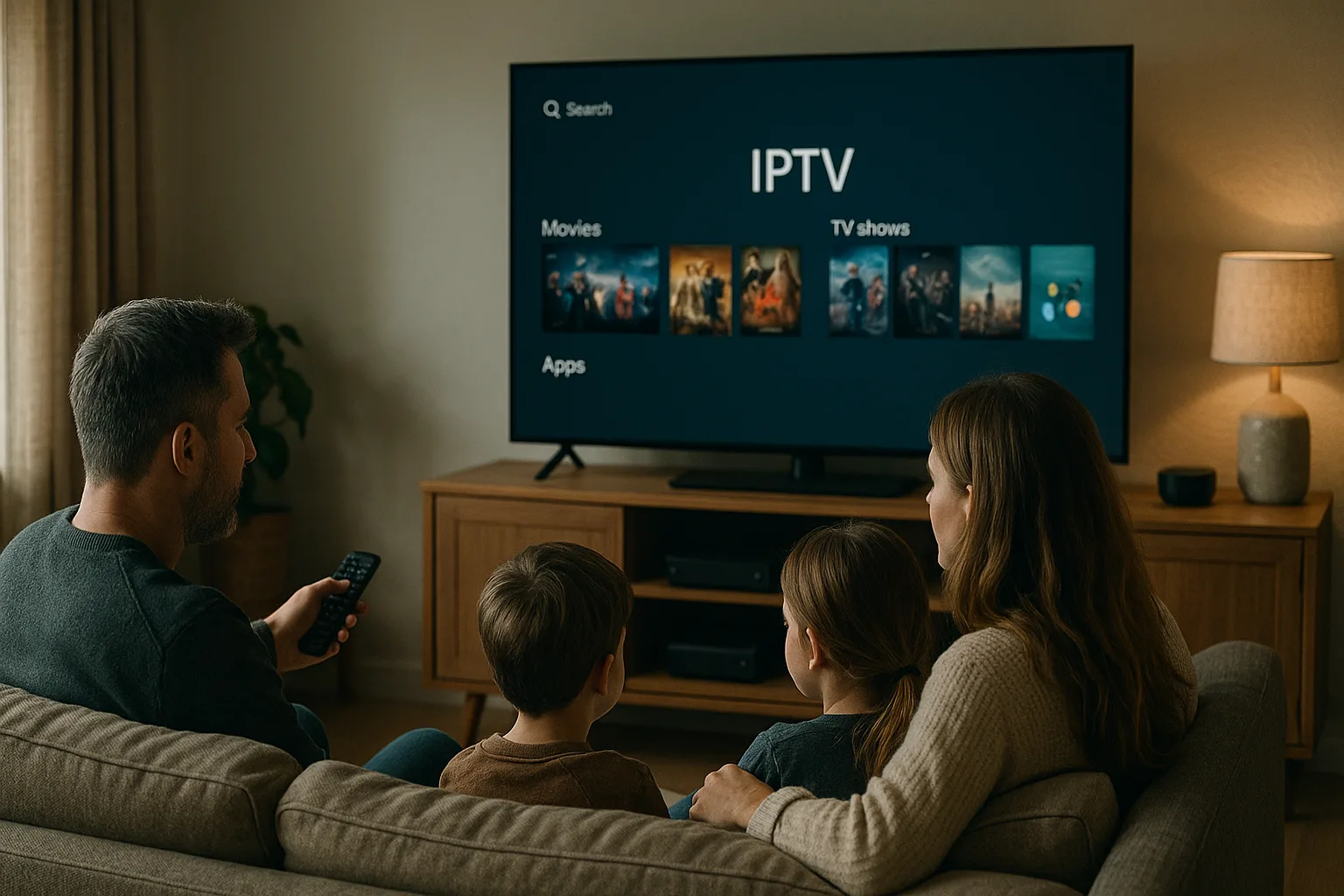
Internet Protocol Television (IPTV) is transforming the way we experience entertainment in the United Kingdom. As conventional broadcasting methods evolve, IPTV stands out as a revolutionary service allowing viewers to access TV channels and video content via the internet. Understanding IPTV's emergence and its functionality is crucial for anyone looking to enhance their viewing experience.
This guide aims to provide an in-depth look at IPTV technology, its workings, and its impact in the UK. We will explore the essential components, the benefits, how it differs from traditional television, and what users need to get started with IPTV. Whether you're new to IPTV or looking for more information, this guide covers everything you need to know.
What is IPTV?
IPTV, or Internet Protocol Television, is a system where television services are delivered using the internet protocol suite over a packet-switched network like the internet, instead of being delivered through traditional terrestrial, satellite signal, and cable television formats. It is a significant shift from the traditional broadcasting model, allowing for a more interactive and personalised viewing experience.
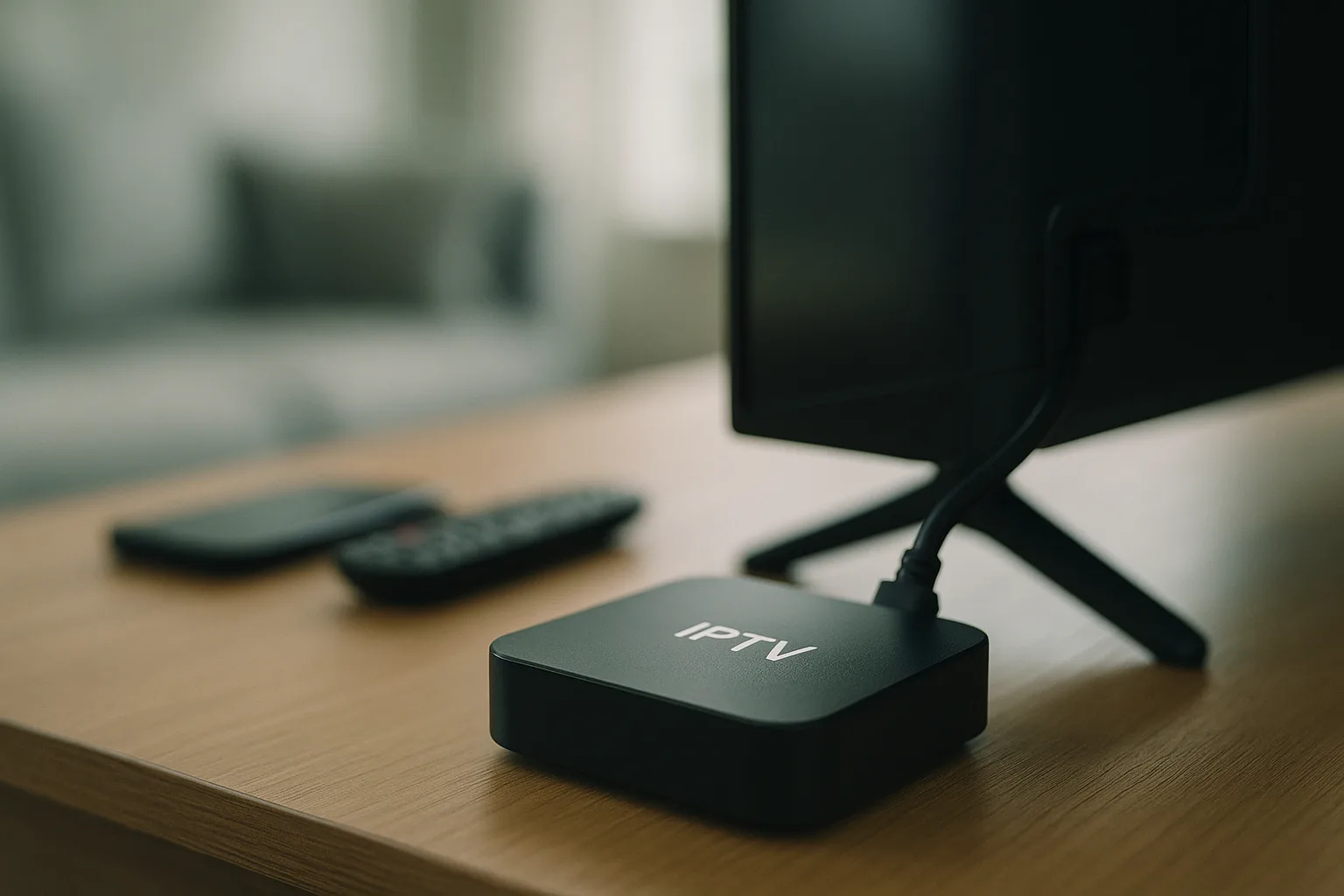
The key components of IPTV include a high-speed internet connection, a compatible device such as a smart TV, computer, or a dedicated IPTV set-top box, and an IPTV service provider. In the UK, providers like Primo offer a comprehensive range of channels, on-demand content, and even offer a free trial for new users to explore the service.
Unlike traditional TV that broadcasts all channels simultaneously, IPTV sends only the selected content to the user. This targeted delivery reduces the bandwidth required and allows for a more efficient use of resources. Additionally, IPTV supports a range of interactive services like video on demand, making it a versatile choice for modern viewers.
How Does IPTV Work?
IPTV works by sending content to viewers via internet protocol, which means the data is sent in packets over the internet. The process involves three primary steps: capturing the content, encoding it for internet transmission, and delivering it to the viewer's device.
Firstly, content is captured from various sources, such as live TV broadcasts or pre-recorded shows. This content is then encoded into a digital format suitable for streaming over the internet. Once encoded, the content is stored on servers and made accessible through an IPTV service provider.
When a viewer selects a channel or a programme, the request is sent to the provider's server. The server then streams the requested content directly to the viewer's device, allowing for real-time viewing. With the right broadband connection, this method provides seamless and high-quality streaming, significantly enhancing the viewing experience.
Moreover, IPTV leverages multicast technology for live broadcasts, which allows a single stream to be sent to multiple users simultaneously, optimising bandwidth usage. For on-demand content, unicast transmission is used, where a unique stream is sent to each user, ensuring privacy and control over the viewing experience.
Benefits of IPTV
IPTV offers numerous advantages over traditional broadcasting methods. One of the most significant benefits is the ability to access a vast array of content, including live TV, video on demand, and interactive features, all from a single platform. This variety allows users to tailor their viewing experience to their preferences.
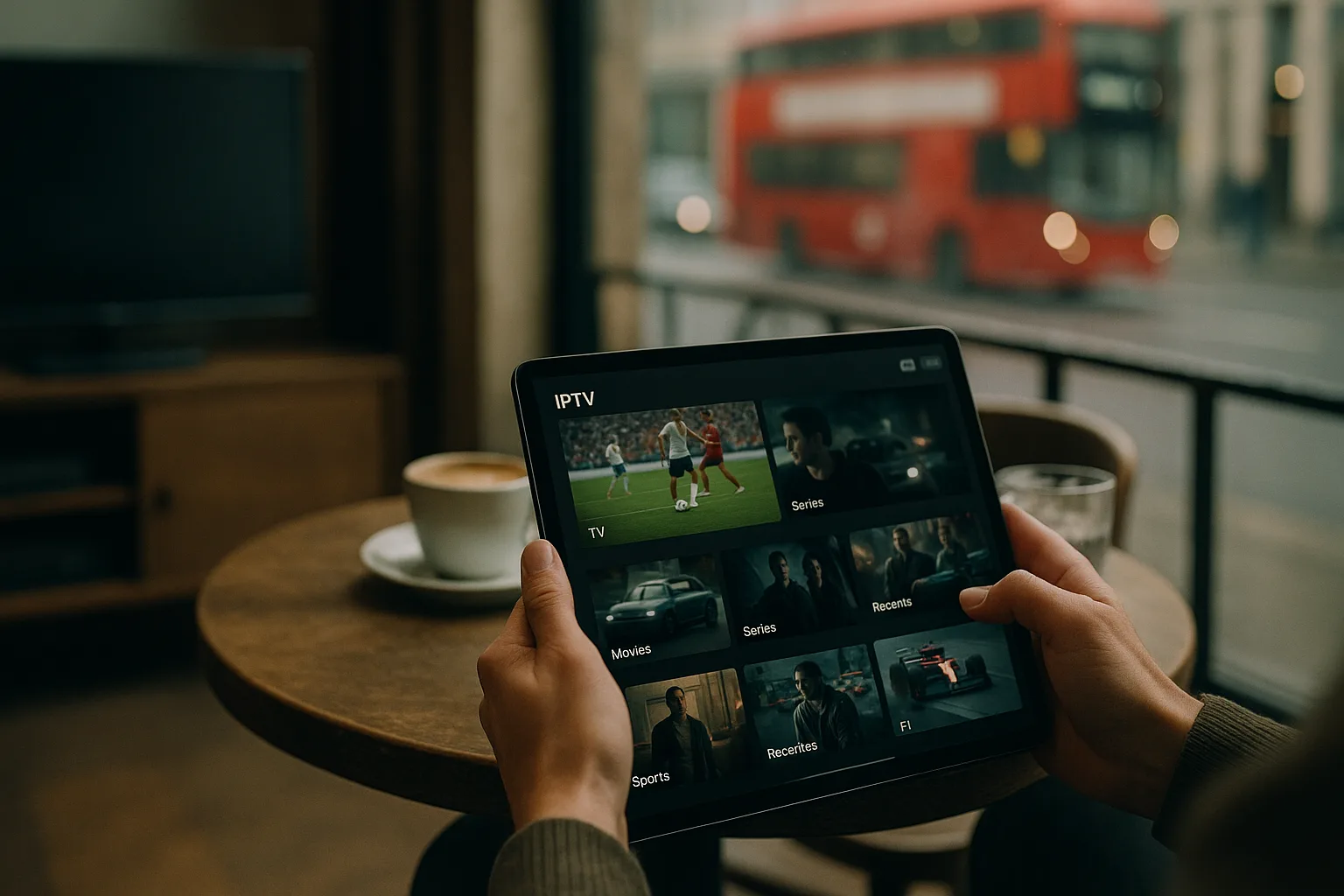
Another advantage is the convenience and flexibility it offers. IPTV can be accessed on various devices, including smartphones, tablets, and smart TVs, meaning users can enjoy their favourite shows at home or on-the-go. This flexibility is particularly appealing in a fast-paced environment like the UK, where people often seek entertainment that fits their lifestyle.
Moreover, IPTV typically provides a higher quality of service compared to traditional TV, with options for HD and even 4K content streaming. This quality enhancement is supported by the robust infrastructure of UK internet services, ensuring a reliable and satisfying viewing experience.
Additionally, IPTV's integration with other digital services allows for a more cohesive entertainment ecosystem. Users can seamlessly switch between streaming music, playing games, and watching TV, all from the same device. This interconnectivity enhances the overall user experience, making IPTV an attractive option for tech-savvy consumers.
Getting Started with IPTV in the UK
Starting with IPTV in the UK is relatively straightforward. The first step involves choosing an IPTV service provider that offers the channels and features you desire. It's essential to consider the range of content, the quality of service, and any additional features such as catch-up TV or video on demand.
Once a provider is selected, you'll need a compatible device. Most smart TVs come with IPTV apps pre-installed, but if not, you can use an IPTV set-top box or a streaming device like a Fire Stick or Apple TV. Additionally, a stable and fast internet connection is crucial for optimal streaming quality.
Many providers, including Primo, offer free trials, allowing potential users to test the service before committing. This trial period is an excellent opportunity to explore the interface, channel selection, and additional features to ensure it meets your expectations.
For those less familiar with technology, many IPTV providers offer customer support to assist with setup and troubleshooting. This service ensures that even users with limited technical knowledge can enjoy a smooth transition to IPTV. It's also worth exploring community forums and online resources for additional tips and support.
Differences Between IPTV and Traditional TV
One of the primary distinctions between IPTV and traditional TV lies in the delivery method. Traditional TV relies on satellite or cable signals, while IPTV uses internet protocol to deliver content. This fundamental difference leads to several other contrasts in terms of functionality and user experience.
IPTV provides on-demand content and live TV through the same platform, offering a more integrated experience compared to traditional TV, which often requires separate services or devices for different types of content. Additionally, IPTV's interactivity allows users to pause, rewind, and record programmes, providing greater control over what and when they watch.
Traditional TV often involves a fixed schedule and limited channel options, while IPTV offers a broader range of content and flexibility, catering to diverse viewing preferences. This adaptability makes IPTV a compelling choice for modern viewers seeking a more personalised entertainment experience.
Furthermore, IPTV can offer a more cost-effective solution, as users can select specific packages or channels, avoiding the need to pay for unwanted content. The ability to customise subscriptions allows for a tailored viewing experience that aligns with personal interests and budgets.
IPTV and Legal Considerations in the UK
While IPTV offers an exciting way to consume content, it's important to be aware of the legal aspects involved. In the UK, IPTV is legal as long as the service provider has the necessary rights to distribute the content. Users should ensure they subscribe to legitimate providers to avoid any legal issues.
The legality of IPTV services depends on the licensing agreements the provider holds with content owners. It's crucial to choose a reputable service like Primo, which ensures all content is licensed and legally available to viewers. This approach not only supports content creators but also guarantees a secure and reliable service.
Consumers should be wary of unlicensed IPTV services, which may offer pirated content. Not only can this lead to legal repercussions, but it also poses risks of malware and poor service quality. Sticking to authorised services ensures peace of mind and a superior viewing experience.
Additionally, using legitimate services helps protect the broader ecosystem of content creation and distribution, ensuring that artists and producers receive fair compensation for their work. This support is vital for the continued production of high-quality content and the sustainability of the entertainment industry.
Frequently asked questions
What devices can I use to access IPTV?
IPTV can be accessed on a variety of devices, including smart TVs, tablets, smartphones, and computers. Devices like set-top boxes, Amazon Fire Stick, and Apple TV also support IPTV applications, allowing for flexible viewing options. A stable internet connection is essential for optimal performance.
Is IPTV better than traditional TV?
IPTV offers several advantages over traditional TV, such as a broader range of content, on-demand services, and greater interactivity. The ability to watch on multiple devices and access high-quality streaming makes it a preferred choice for many. However, the better option depends on individual viewing preferences and needs.
What should I consider when choosing an IPTV provider?
When selecting an IPTV provider, consider the range of channels and content offered, the quality of service, customer reviews, and pricing. Ensure the provider has the necessary licensing agreements to distribute content legally. Services like Primo offer a free trial, allowing you to test the service before committing.
How much internet speed is needed for IPTV?
The required internet speed for IPTV depends on the quality of streaming desired. For standard definition, speeds of at least 5 Mbps are recommended, while HD streaming may require 10 Mbps or more. Ultra HD or 4K content generally needs speeds of 25 Mbps or higher for seamless viewing.
Can I record programmes with IPTV?
Yes, many IPTV services offer features that allow you to record programmes. This feature is typically included in the service package and allows users to pause, rewind, and record live TV, providing greater control over their viewing experience. Check with your provider for specific capabilities.
In conclusion, IPTV offers a modern and flexible alternative to traditional TV, enhancing the way viewers in the United Kingdom consume content. By understanding its functionality and benefits, users can make informed decisions about incorporating IPTV into their home entertainment setups. For those interested in trying IPTV, Primo provides a reliable service with a variety of channels and a free trial for new users.
Ready to get started? Compare our UK IPTV plans and pricing and try Primo with a free trial.
Reviewed by the Primo UK editorial team.