
Imagine having access to a world of television content right at your fingertips, delivered directly over the internet rather than through traditional satellite or cable systems. This is the promise of IPTV—Internet Protocol Television—which has transformed the way we consume media. But how exactly does IPTV work, and what makes it a compelling choice for modern viewers? In this guide, we’ll delve into the inner workings of IPTV, breaking down the process into digestible steps so you can understand and appreciate this cutting-edge technology.
IPTV is gaining popularity across the UK, offering viewers a flexible and often more affordable alternative to conventional broadcasting methods. With a range of services like Primo’s ELITE VIP and Essential plans, users can experience a plethora of channels and on-demand content, all while enjoying a free trial to get started. Whether you're a newcomer to IPTV or simply curious about how it functions, this comprehensive guide will provide you with the insights you need.
1. Understanding IPTV Technology
At its core, IPTV relies on the Internet Protocol (IP) to deliver television content. Unlike traditional broadcasting, which uses cable or satellite, IPTV streams content through your internet connection. This fundamental shift allows for greater flexibility and interactivity, enabling users to watch content on various devices such as smart TVs, computers, tablets, and smartphones. This adaptability is particularly appealing in today’s fast-paced world, where consumers demand access to content anytime, anywhere.
The technology behind IPTV involves encoding television signals into IP-friendly formats. These signals are then sent over the internet to the user's device, where they are decoded and displayed. This process is seamless and occurs in real-time, allowing for high-quality streaming experiences akin to watching live TV. The use of IP also means that IPTV can offer features like video on demand (VOD) and time-shifted viewing, giving viewers more control over their viewing habits. Moreover, IPTV services can integrate with other internet-based services, such as social media platforms, allowing for a more interactive experience.
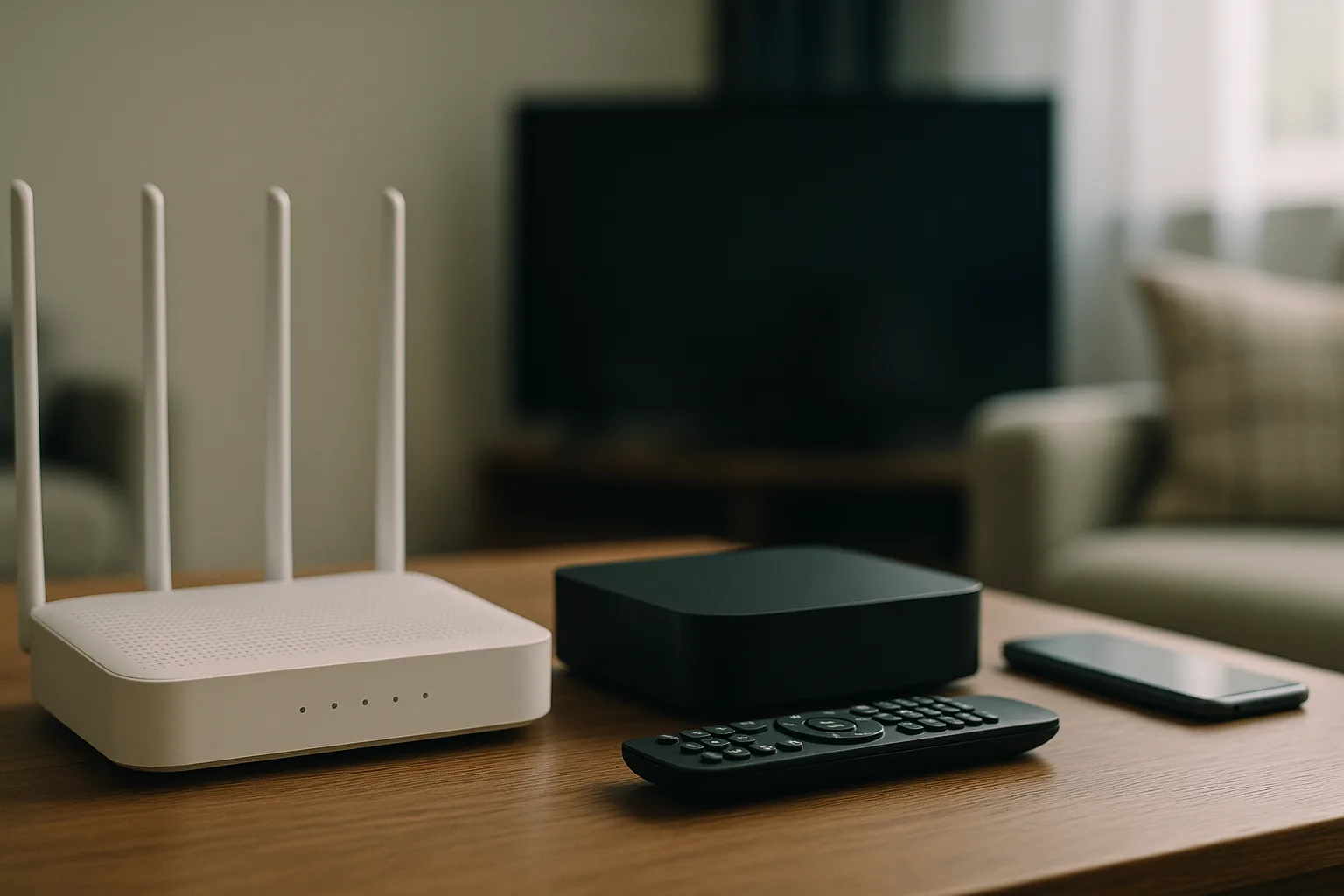
2. Setting Up Your IPTV Connection
To start enjoying IPTV, you'll need a stable internet connection and a compatible device. Most users opt for a dedicated IPTV set-top box or an app that can be installed on a smart TV or streaming device. These devices connect to your home's internet network, allowing them to receive and decode IPTV signals. It's essential to ensure that your device supports the IPTV format and is compatible with the service provider’s specifications to avoid any technical issues during setup.
Begin by connecting your IPTV device to your television set. This typically involves using an HDMI cable for the best quality picture and sound. Next, connect the device to your internet router using either a wired Ethernet connection for optimal stability or Wi-Fi if that's more convenient. Once connected, you’ll need to follow the on-screen instructions to configure your settings and link your device to your IPTV service provider, such as Primo. It's also advisable to check for any available firmware updates for your device, as these can improve performance and add new features.
3. Choosing the Right IPTV Service for You
With numerous IPTV services available in the UK, selecting the right one can be daunting. It’s important to consider factors such as channel selection, subscription plans, and additional features when making your choice. For instance, Primo offers two distinct plans: the ELITE VIP for comprehensive entertainment and the Essential plan for more budget-conscious users. Both offer a diverse range of channels and on-demand content. Additionally, some services offer niche content, such as specialised sports channels or international programming, which may be appealing to certain viewers.
Research each provider thoroughly, looking at reviews and comparing their offerings. Determine what content is most important to you—whether it’s sports, movies, or international channels—and ensure your chosen service meets those needs. Check if the provider offers a free trial; Primo, for example, allows potential users to sample their service before committing to a subscription. Furthermore, consider the customer support options available, as responsive and helpful support can be crucial if you encounter any issues with your service.
4. Navigating IPTV User Interfaces
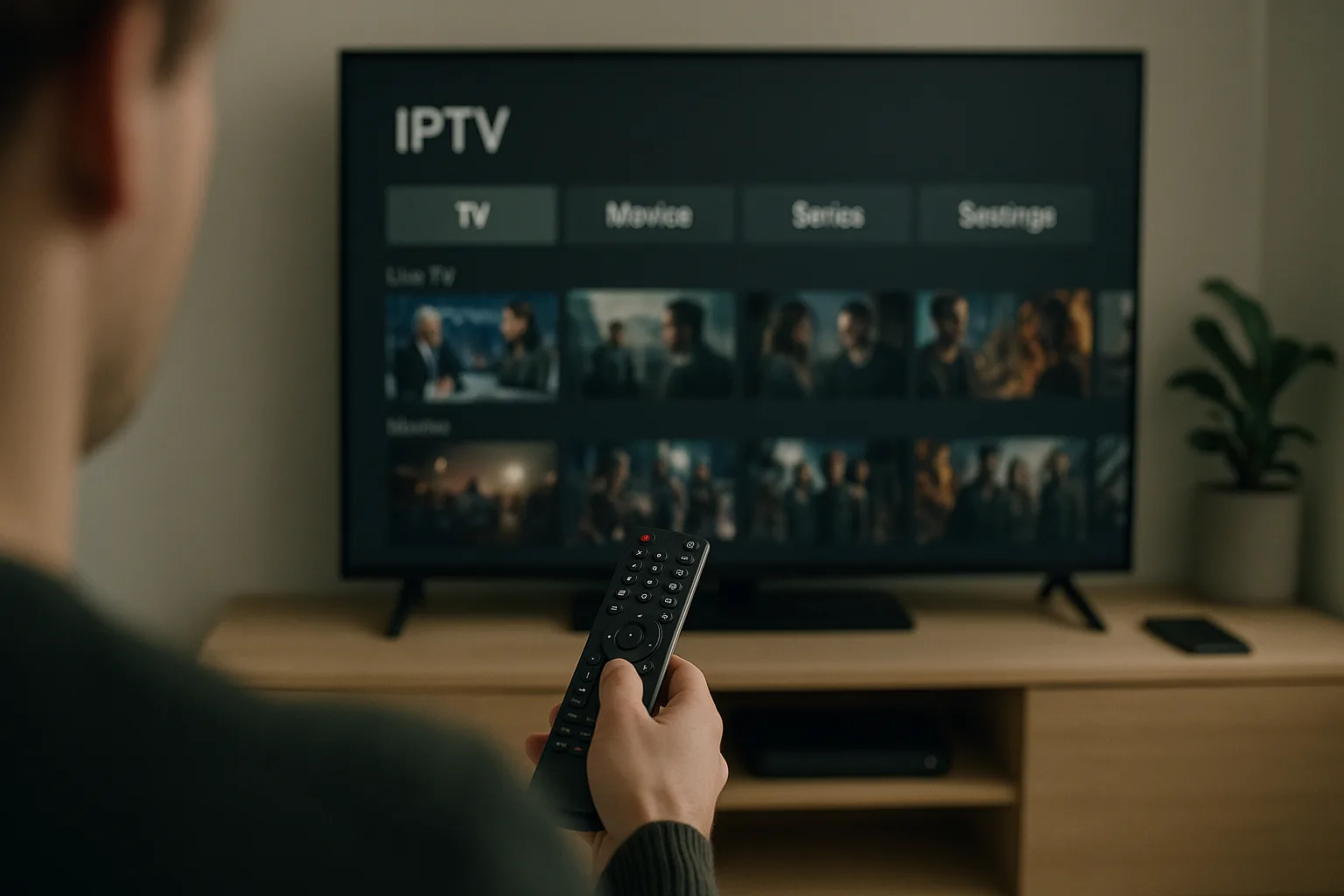
Once your IPTV service is up and running, navigating its interface becomes a crucial part of the experience. Most IPTV services provide a user-friendly electronic programme guide (EPG), which displays available channels, schedules, and programmes. This guide allows you to browse through content, set reminders for upcoming shows, and even record live broadcasts if your service supports it. The EPG is often customisable, allowing users to personalise their viewing experience by organising channels and creating favourite lists.
Understanding how to use the EPG effectively can enhance your viewing experience. Familiarise yourself with the layout, learn how to search for specific content using keywords, and explore features like parental controls or programme recommendations. The more comfortable you are with the interface, the more you'll get out of your IPTV service. Some interfaces also offer integration with voice control, enabling users to search for content or control playback using voice commands, which can be particularly useful for accessibility purposes.
5. Streaming Quality and Bandwidth Considerations
Streaming quality is a vital consideration for IPTV users. The quality of your IPTV experience largely depends on your internet speed and bandwidth. High-definition and 4K content require faster internet connections to stream smoothly without buffering. It’s essential to ensure that your internet plan can handle the demands of IPTV streaming. Consider conducting a speed test to verify that your current connection meets the requirements for the quality of content you wish to view.
Most IPTV providers will specify the minimum internet speed required for optimal viewing. As a rule of thumb, having a broadband connection with at least 10 Mbps speed for HD content is advisable. If multiple devices are using your home network simultaneously, consider a higher speed to prevent disruptions. Checking with your internet service provider can help you determine if your plan meets these requirements. Additionally, some IPTV services offer adaptive streaming technology, which adjusts the quality of the stream based on your current internet speed to minimise buffering and ensure a smoother viewing experience.
6. Ensuring IPTV Security and Privacy
Security and privacy are paramount when using internet-based services like IPTV. Since IPTV involves streaming content over the internet, it's crucial to protect your personal information and viewing habits. Ensure that you’re using a reputable IPTV service provider that employs strong encryption and privacy protocols to safeguard your data. It's also wise to read the privacy policy of the provider to understand how your data is used and stored.
Additionally, using a Virtual Private Network (VPN) can add an extra layer of security. A VPN encrypts your internet traffic, making it more difficult for hackers or third parties to intercept your data. This is especially important if you’re accessing IPTV services from public Wi-Fi networks or if you value your privacy while streaming content. Furthermore, a VPN can allow you to access content that may be restricted in your region, although it's important to ensure that this is in compliance with the terms of service of your IPTV provider.
Frequently asked questions
Is IPTV legal in the UK?
Yes, IPTV is legal in the UK as long as you are using a legitimate service provider that has the appropriate licences for the content they offer. Services like Primo operate within the legal framework, ensuring that all content is distributed legally. It's crucial to distinguish between legal IPTV services and illegal ones that offer pirated content, as using the latter can have serious legal consequences.
Do I need a satellite dish for IPTV?
No, one of the main advantages of IPTV is that it does not require a satellite dish or cable infrastructure. All you need is a reliable internet connection and a compatible device to start streaming content. This makes IPTV an ideal solution for those living in areas where installing a satellite dish is impractical or impossible.
Can I use IPTV on multiple devices?
Yes, most IPTV services allow you to stream content on multiple devices, although this may depend on the specific terms of your subscription plan. You can watch IPTV on your smart TV, smartphone, tablet, or computer, making it a versatile option for households with diverse viewing preferences. Some providers may limit the number of devices that can be used simultaneously, so it's important to check the terms of your subscription.
What happens if my internet connection is slow?
If your internet connection is slow, you may experience buffering or reduced streaming quality. To improve your IPTV experience, consider upgrading your broadband plan or ensuring that your network is not overloaded with too many devices simultaneously connected. Some IPTV services offer lower-quality streams that require less bandwidth, which can be a temporary solution if upgrading your internet plan is not immediately feasible.
How do I choose an IPTV provider?
Choosing an IPTV provider involves assessing factors such as the variety of content offered, pricing, customer reviews, and the availability of a free trial. Primo offers a comprehensive selection with plans tailored to different needs, making it a solid choice for UK viewers. Visit our pricing page for more details on available plans. It's also helpful to ask for recommendations from friends or family who use IPTV services, as their experiences can provide valuable insights.
Understanding how IPTV works opens up new possibilities for enjoying television content in a more flexible and personalised way. With the right setup and provider, IPTV can revolutionise your home entertainment experience. Whether you're exploring options or ready to dive in, IPTV offers a modern approach to viewing that’s both innovative and convenient.
Reviewed by the Primo UK editorial team.
