
In today's digital age, the way we consume television content has evolved significantly. Traditional cable and satellite TV services are no longer the only options available to viewers. IPTV, or Internet Protocol Television, has emerged as a popular alternative, offering a more flexible and customisable viewing experience. But what exactly does IPTV stand for, and how does it work? This comprehensive guide will delve into the intricacies of IPTV, exploring its technology, benefits, and how you can get started with this modern way of watching television.
With the increasing availability of high-speed internet and the proliferation of smart devices, IPTV has become an attractive option for many households. It offers a wide range of channels and on-demand content, all delivered through the internet. Understanding what IPTV stands for and how it functions is essential for anyone considering ditching their traditional TV service for this innovative solution.
What Does IPTV Stand For?
IPTV stands for Internet Protocol Television. This technology utilises the internet to deliver television programming and other video content, rather than the traditional methods of broadcast, satellite, or cable television. The 'Internet Protocol' part of IPTV refers to the same protocol that facilitates the delivery of data over the internet, ensuring that video content is transmitted smoothly and efficiently to your device.
Unlike traditional TV networks, which broadcast content to be watched at specific times, IPTV allows viewers to stream content at their convenience. This flexibility is one of the key features that set IPTV apart, making it an appealing choice for those who prefer on-demand viewing options. Moreover, IPTV can support interactive features such as live voting, social media integration, and personalised content recommendations, further enhancing the viewing experience.
The global reach of IPTV also means that geographic barriers are diminished. Viewers can access a vast array of international content that might be otherwise unavailable through local TV providers. This global accessibility is particularly advantageous for expatriates and international audiences who wish to stay connected with programming from their home countries.
How Does IPTV Work?
IPTV works by transmitting television programmes through the internet using an efficient and streamlined process. At its core, IPTV uses a client-server model where video content is stored on servers and delivered to viewers upon request. This setup allows for a vast library of content to be available at any given time.
When you select a channel or an on-demand programme, your IPTV provider sends the video data to your device in small packets. These packets are then reassembled and played back in real-time, allowing for a seamless viewing experience. This process is similar to how streaming services like Netflix operate, but with the added benefit of live television. Each viewer receives their own stream over standard HTTP, served from the content delivery network edge server closest to them.
To ensure high-quality streaming, IPTV uses adaptive bitrate streaming technology, which adjusts the quality of the video stream in real-time based on the viewer's internet connection speed. This means that if your connection slows down, the video quality may reduce slightly, but playback will continue without interruption. This adaptability is crucial for maintaining a consistent viewing experience, especially in households with multiple devices connected to the internet simultaneously.
The Technology Behind IPTV
The technology that powers IPTV is built on a few key components. First, there is the IPTV headend, which is the facility where all the content is collected, encoded, and managed before being sent over the internet. This headend ensures that the content is delivered in the correct format and quality for streaming. The headend may also include transcoding capabilities to convert video files into formats compatible with various devices and resolutions.
Next, there is the content delivery network (CDN), which is responsible for distributing the video content to viewers. CDNs optimise the delivery process, ensuring that content is delivered quickly and efficiently, even to users located far from the original source. By using a network of servers strategically located around the world, CDNs minimise latency and reduce buffering times, providing a smoother viewing experience. This network infrastructure is vital for delivering live events and high-demand content without disruptions.
Finally, there is the set-top box or app that viewers use to access IPTV services. This device or application decodes the video data and displays it on your television or other compatible devices, allowing you to enjoy a wide range of IPTV content. Many modern smart TVs come with built-in support for IPTV apps, eliminating the need for additional hardware. However, set-top boxes can offer additional features such as DVR capabilities and enhanced user interfaces, making them a popular choice for some users.
Benefits of IPTV
IPTV offers several advantages over traditional television services. One of the most significant benefits is the ability to watch content on-demand. This means you can watch your favourite shows whenever you want, without being tied to a broadcast schedule. On-demand viewing is particularly advantageous for busy individuals who may not have the time to watch shows during their original airing.
Additionally, IPTV often provides a broader range of content compared to traditional TV services, including international channels and niche programming that might not be available through other means. With Primo's UK IPTV service, you can explore a diverse selection of channels and enjoy a free trial to experience the service firsthand. This variety caters to diverse interests and cultural backgrounds, making IPTV a versatile choice for households with varied viewing preferences.
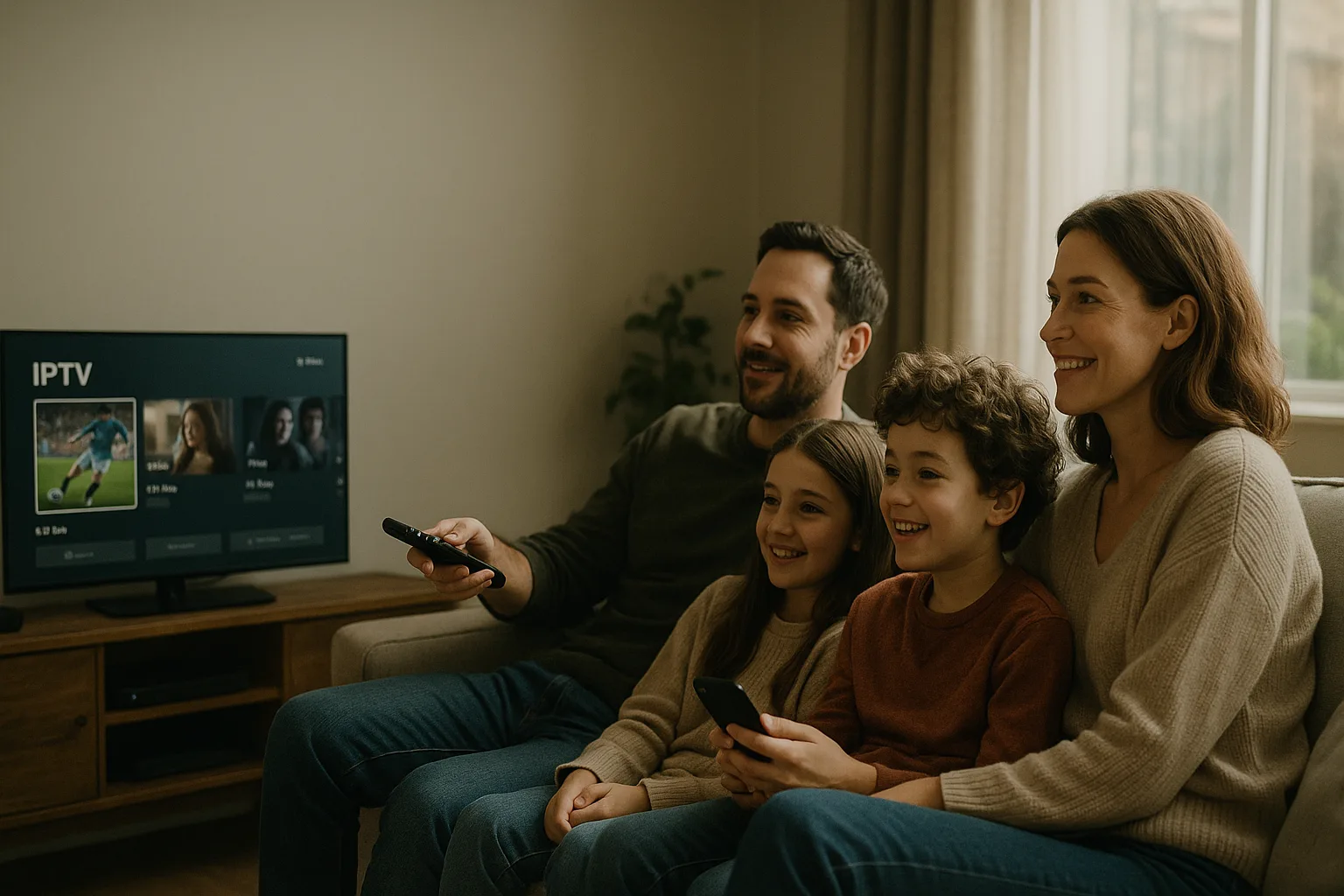
Another advantage is the ability to watch IPTV on multiple devices, including smartphones, tablets, and smart TVs, providing greater flexibility in how and where you view content. This multi-device support is ideal for families with different viewing habits, as it allows each member to watch their preferred content on their own devices simultaneously. Furthermore, many IPTV services offer cloud-based DVR functionality, enabling users to record and store their favourite shows without the need for physical recording equipment.
Getting Started with IPTV
To begin using IPTV, you'll need a few essential components. First, ensure you have a reliable high-speed internet connection. Since IPTV streams video content over the internet, a robust connection is necessary to ensure smooth playback without buffering. Consider consulting your internet service provider to confirm that your plan supports high-bandwidth activities such as IPTV streaming.
Next, you'll require an IPTV service provider, such as Primo, which offers a premium selection of channels and on-demand content. You can review the pricing information to find a plan that suits your needs. Many providers offer apps that you can download onto your smart TV or streaming device, simplifying the setup process. Some providers may also offer free trials or promotional discounts, allowing you to test the service before committing to a subscription.
Once you've chosen a provider and set up the necessary equipment, you can begin exploring the vast array of content available through IPTV. Whether you're interested in live sports, movies, or international channels, IPTV has something for everyone. Be sure to explore any additional features offered by your provider, such as personalised recommendations, parental controls, and interactive programme guides, to enhance your viewing experience further.
IPTV vs. Traditional TV: A Comparative Analysis
When comparing IPTV to traditional TV services, several key differences become apparent. Traditional TV relies on broadcasting signals through antennas, satellites, or cables, which can limit the quality and variety of content available. In contrast, IPTV utilises the internet to deliver a broader and more diverse selection of programming. This internet-based delivery model also allows for higher picture quality, including HD and 4K resolutions, which may not be available through traditional broadcasts.
Another significant difference is the cost structure. Traditional TV services often require long-term contracts and additional fees for premium channels. IPTV, on the other hand, typically offers more flexible pricing plans and special offers, allowing viewers to tailor their subscriptions to their preferences. This flexibility can result in cost savings, especially for viewers who prefer a la carte channel selections or only watch specific types of content.
Finally, IPTV's on-demand capabilities and multi-device support provide a more personalised and convenient viewing experience, catering to the needs of modern audiences who value flexibility and choice. With features like catch-up TV and pause-and-rewind live broadcasts, IPTV empowers viewers to take control of their viewing schedules, enhancing the overall entertainment experience. Furthermore, as technology continues to advance, IPTV is likely to integrate even more innovative features, further distinguishing it from traditional TV services.
Frequently Asked Questions
Is IPTV legal in the UK?
Yes, IPTV is legal in the UK as long as the service provider has obtained the necessary rights to distribute the content. It is crucial to choose a reputable provider to ensure that the service is legitimate and compliant with copyright laws. Engaging with illegal IPTV services can result in legal consequences and potential risks to your personal data, so always verify the legitimacy of the provider before subscribing.
Do I need a special device to use IPTV?
While you can access IPTV through various devices, including smart TVs, computers, and smartphones, some setups may require a set-top box to decode the content for display. Many providers also offer apps for easy access on compatible devices. If you opt for a set-top box, ensure it supports the latest streaming standards and offers features that align with your viewing preferences.
What kind of internet speed do I need for IPTV?
For optimal IPTV performance, a high-speed internet connection is recommended. Around 5 Mbps is enough for standard definition, 10 Mbps handles HD comfortably, and 25 Mbps or more is advisable for 4K. Keep in mind that if multiple devices are connected to your network simultaneously, you may require additional bandwidth to maintain smooth streaming across all devices.
Can I record shows on IPTV?
Many IPTV services offer digital video recorder (DVR) functionality, allowing you to record and store your favourite programmes for later viewing. Check with your service provider to see if this feature is included in your plan. Cloud-based DVR services are particularly convenient, as they allow for remote access to your recordings from any compatible device.
What happens if my internet goes down?
If your internet connection is interrupted, you will temporarily lose access to IPTV services. Ensuring a stable and reliable internet connection is essential for uninterrupted viewing. Some services may offer offline viewing options for on-demand content, allowing you to download select programmes for viewing without an internet connection.
In conclusion, IPTV represents a modern approach to television viewing, offering greater flexibility, variety, and convenience compared to traditional TV services. By understanding what IPTV stands for and how it operates, you can make an informed decision about whether this technology is right for you. With providers like Primo, exploring the world of IPTV has never been easier.
Reviewed by the Primo UK editorial team.
